
Homecoming
Part 3 of the Loughcrew Reflections

I didn’t yet know my sister had died.
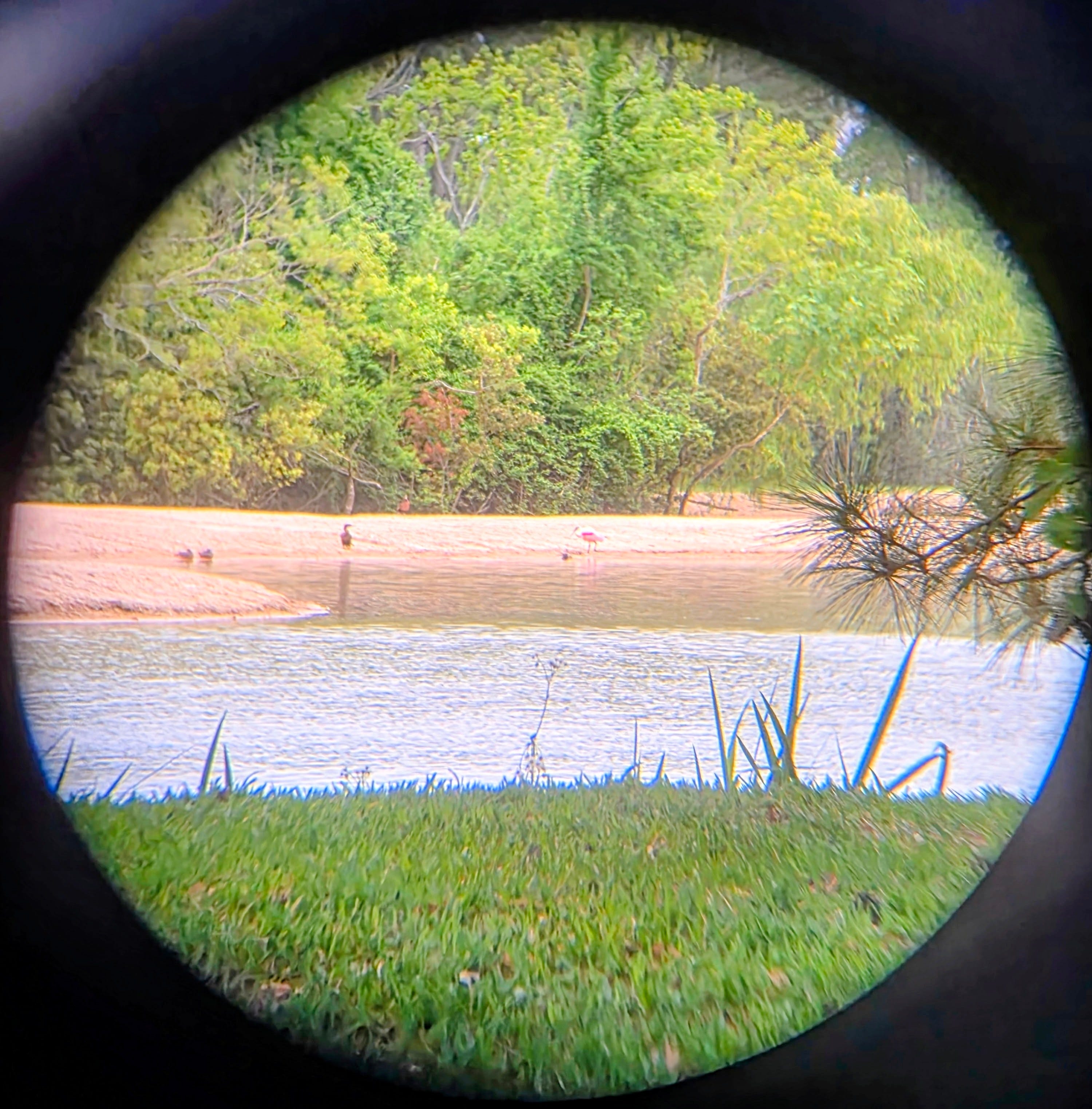
That evening, I was sitting in my backyard when a flash of pink caught my eye, a roseate spoonbill standing quietly by the water’s edge. I hadn’t seen one in years. I went inside for my binoculars and managed to steady my phone against the lens just long enough to take a picture.
At the time, I only felt a soft, holy kind of awe that stills the breath. The bird seemed otherworldly, more of a presence than a sighting. Later, when the news of my sister’s passing came, that image rose in my mind again of the spoonbill’s stunning pink and the stillness of the water around it. I knew it had been an omen, a gentle herald from the unseen.
The day I learned she was gone, the sky opened. Rain fell in sheets, and I walked out barefoot into the storm. The air was cool, the ground soft beneath my bare feet. I let the rain soak through my clothes and skin, through the numbness that had settled in my body, until I could feel something again. It was the land, not a person, that held me that day. The rain, the soil and the smell of it all rising around me were exactly what I needed in that impossible moment. But the truth is, the conversation between body and earth had begun long before.
Even as a child, I dreamed of my sister and me running across our grandparents’ fields in the shimmering heat and the wide horizon of rural Texas. Always, somewhere “out there” I imagined was a wolf. Sometimes I feared it would harm us. Other times I sensed it was watching over us. At night, lying in bed, I would listen for it outside my window, caught between dread and fascination.

Years later, when the wolf returned in my spiritual work, not as threat but as guide, I understood. The same wild presence I had feared was the one that had been protecting me all along, waiting for me to turn and face it.
That meeting, that reweaving of relationship, was part of a much longer remembering, one that eventually carried me to the hills of Loughcrew and into the living conversation with the land itself.
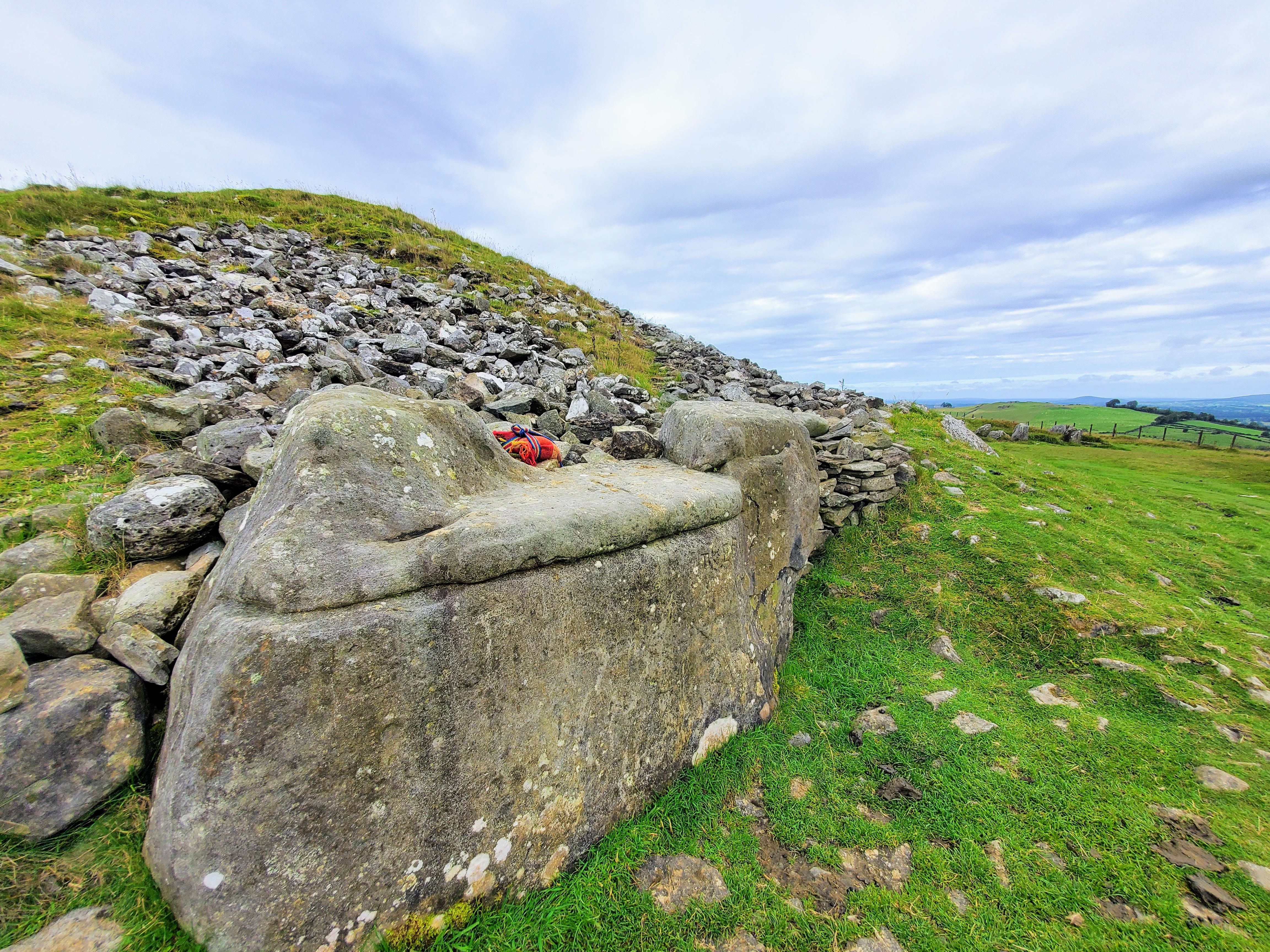
On that hill, the stones hummed with old knowing. They weren’t just remnants of the dead. They were living “bones” of the earth remembering themselves. The ache that woke in my knees as I walked among them felt like an echo from another time, as if my body had joined the dialogue the land was already having with itself. It was there I began to truly understand the conversation is not metaphor. It is real.
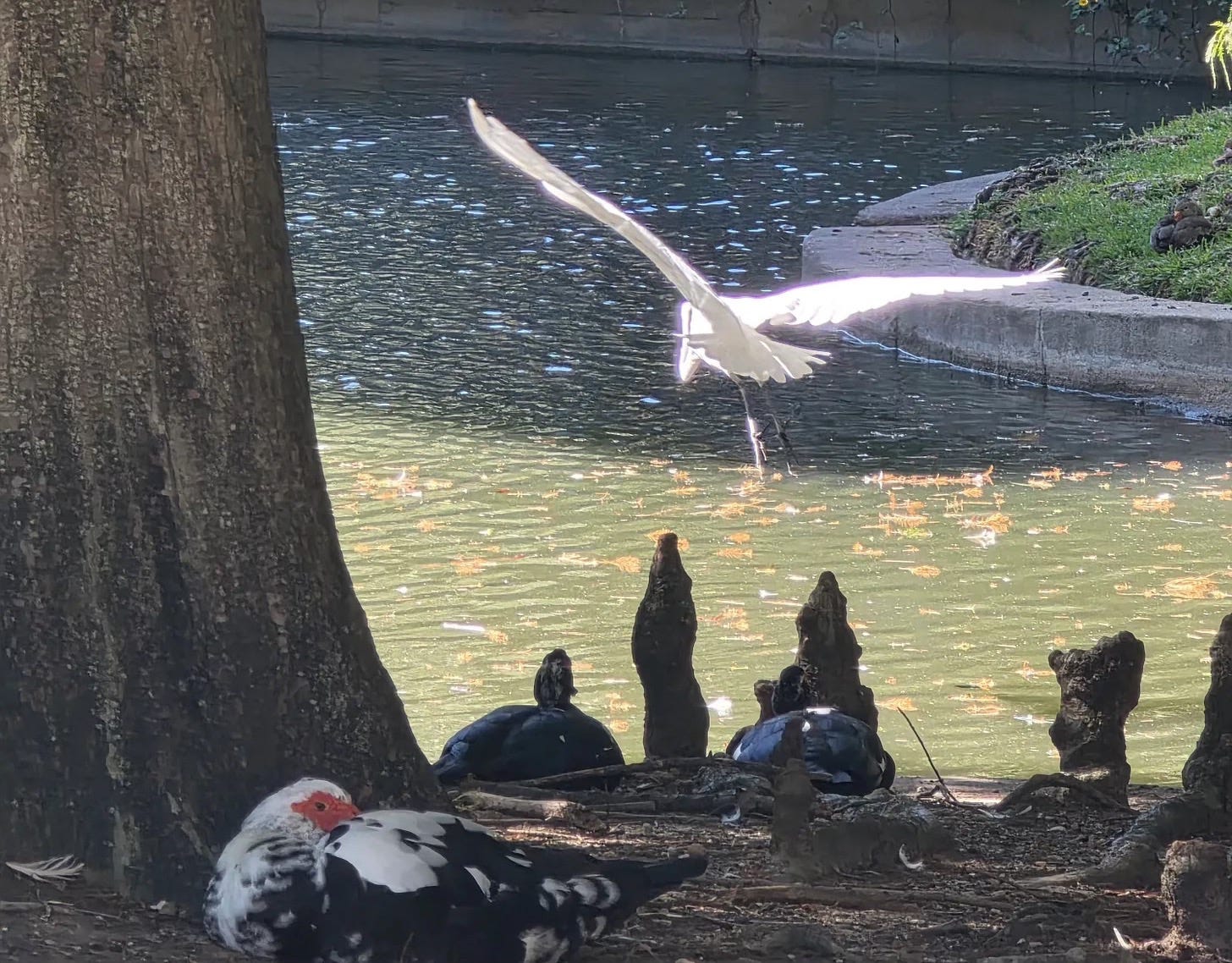
And when I returned home to Houston, the dialogue continued. The herons and egrets at the water’s edge became the new keepers of that exchange, living emissaries of stillness and patience. The spoonbill, when it appeared, rare and luminous, carried something of the same current I had felt on that Irish hill. It was the shimmer of the worlds speaking through one another.
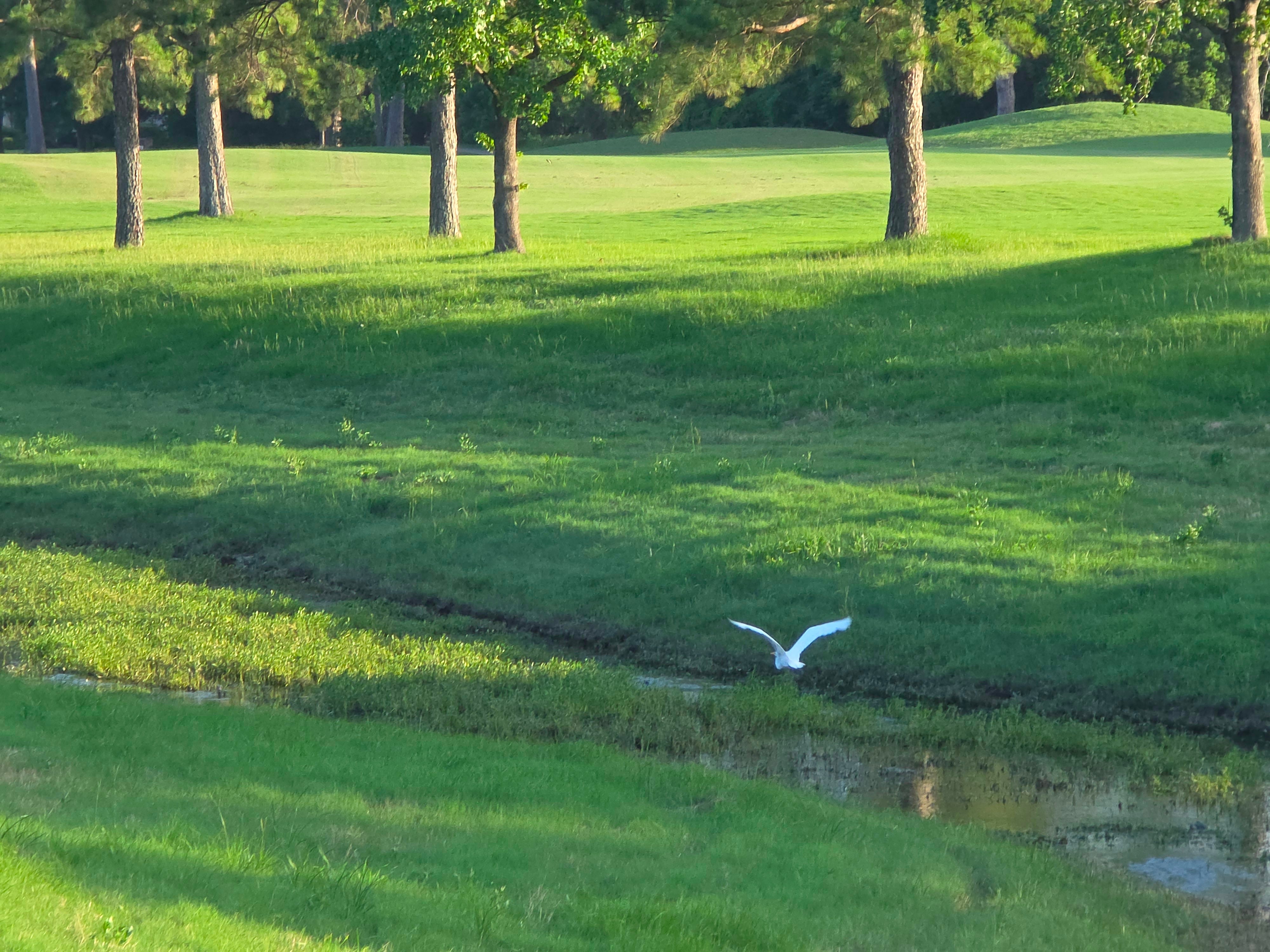
In Irish myth, Manannán mac Lir crafted his crane bag, the Corr Bolg, from the skin of a sacred bird, a vessel that held the treasures and teachings gathered from sea and sky. I think of that story often when I watch the herons and egrets rise from the lakes and bayous of the Houston landscape, their long necks and outstretched wings bridging the realms of water, land, and air.
Here, among these southern wetlands, I’ve come to see them as my own living archetypes, mirrors of the same mythic lineage that once animated the Irish coast. They remind me that the language of spirit is not fixed to a single geography. It is carried by place, by presence, by attention. Every encounter, whether with wolf, heron, stone or storm, is part of the same conversation. To me, this feels like kinship. Nothing is separate. The same voice that spoke through the stones of Loughcrew whispers now through the rustle of live oaks and the call of waterbirds at dusk.
The wolf taught me how to cross thresholds. The heron teaches me to walk and watch ever patiently at the liminal edges. The spoonbill reminds me that beauty often arrives alongside grief.
And through it all, from the fields of my childhood to the hills of Ireland to the bayous of Houston, the land keeps speaking in the same ancient tongue, steady and sure, saying,
You are home.
Postscript
This piece completes a trilogy that began on the hills of Loughcrew, Co. Meath, Ireland. It also closes a year marked by three great losses — my sweet sister Jennifer, Lar Dooley, and Manchán Magan — each of whom shaped my life in ways that continue to unfold. Each of them carried a wisdom that lives on in laughter, in story, in the quiet ways love keeps speaking even after the body is gone.
As the Celtic year turns at Samhain when the veil is whisper-thin, I remember them all in gratitude, my sister of blood and my brothers of spirit. Each in their own way is part of the same great conversation that has been speaking through my life, the land, the body, and the unseen, whispering together in one ancient tongue.
May we listen well, and may those who have gone before us walk beside us in ways we can still feel.
Resonant, beautiful, powerful. Thank you.