
Remembrance
Acknowledging the Sacred

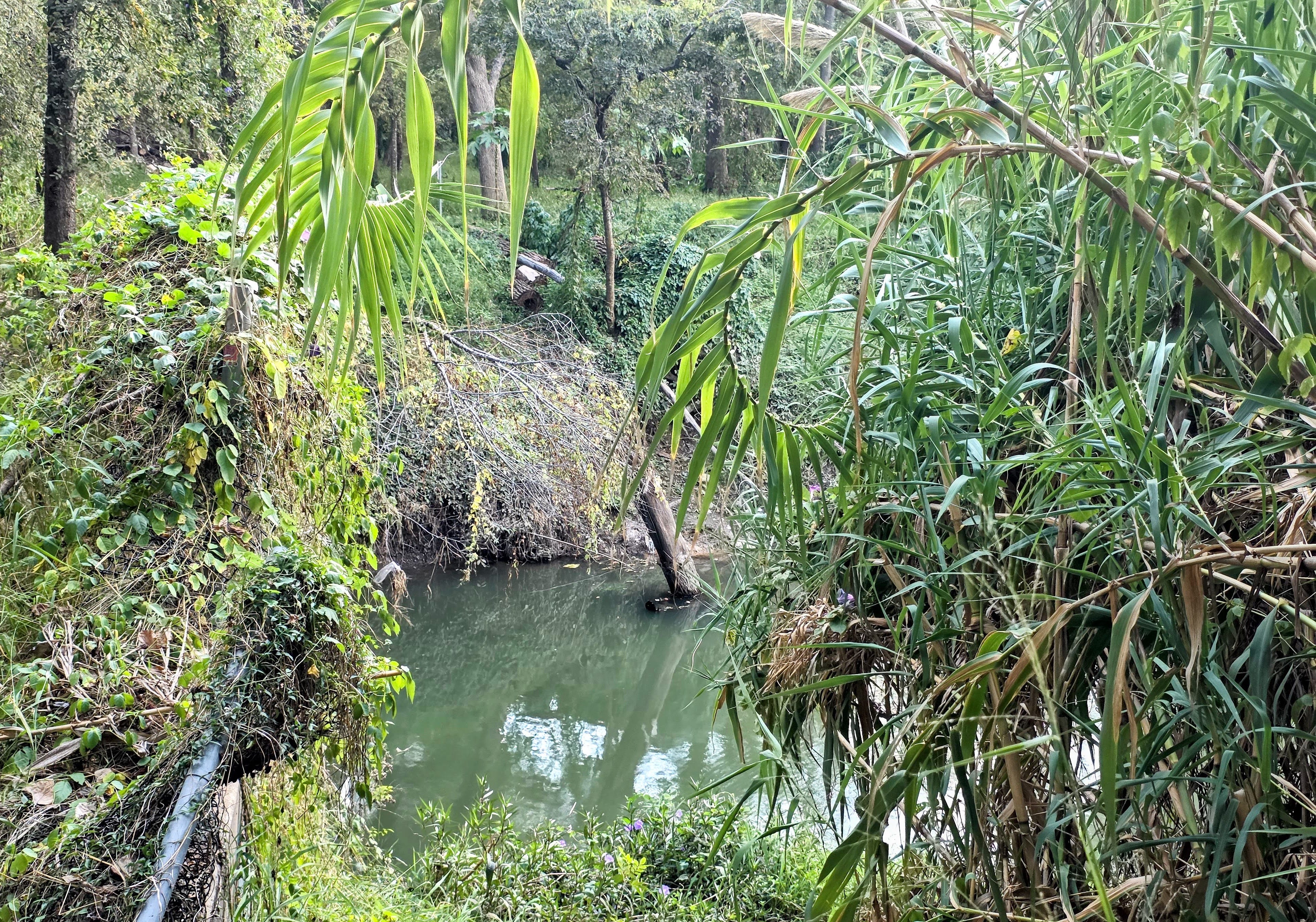
There is a kind of remembering that rises not in the mind but in the soles of the feet. It comes when breath slows, when light pools on the ground, and when wind speaks in the leaves. It is a remembering older than language because the land itself is speaking.
I have been listening.
The night before I found this First Peoples’ spring site, I dreamed of deer. There were nine of them, white with golden honey brown spots, their bright coats shining with radiance through a woodland setting. They stood at a distance, watching me with an ancient, steady, knowing gaze. All of the sudden, a mighty buck charged toward me with great force and intent. Just before it reached me, I woke up.
That dream left a feeling that has not faded.
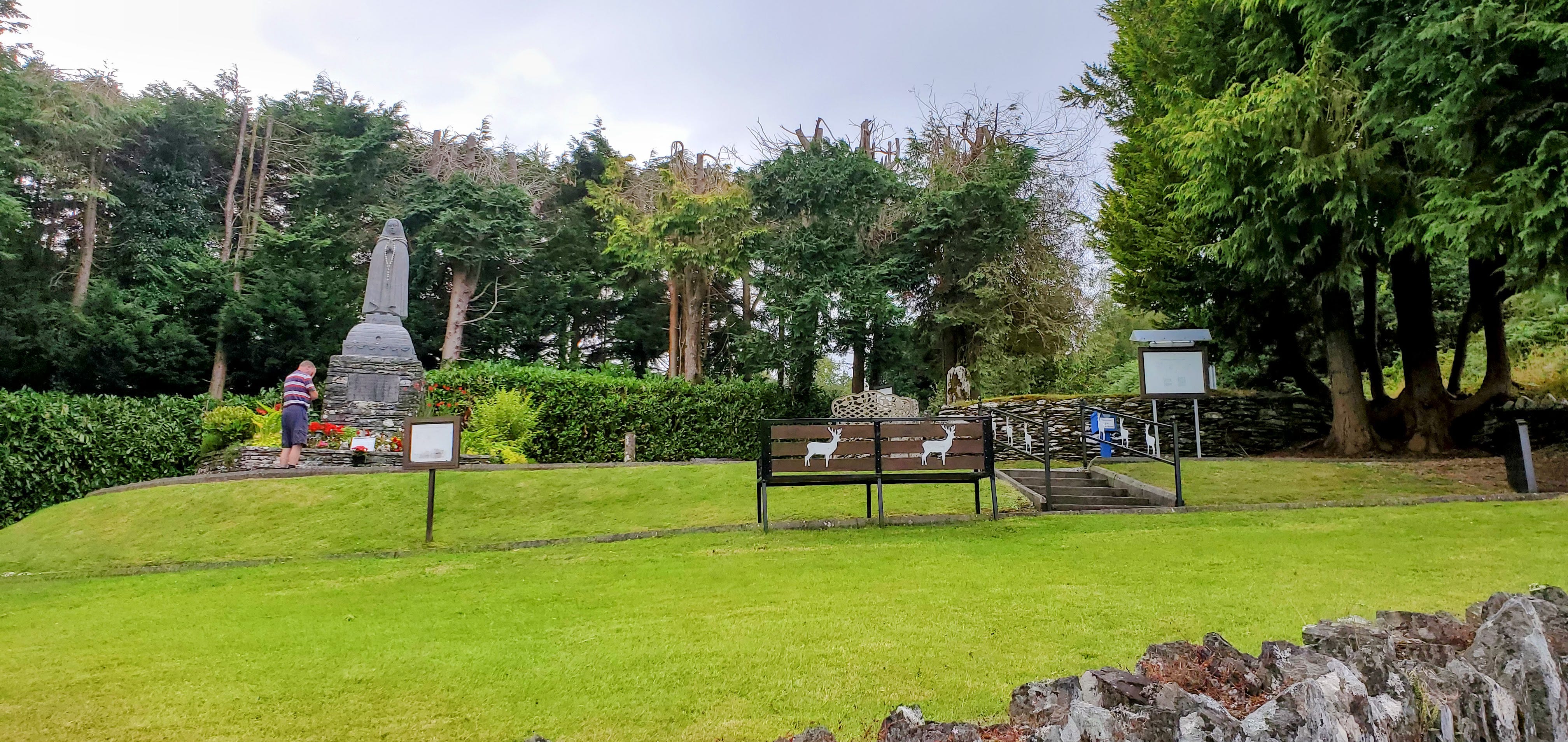
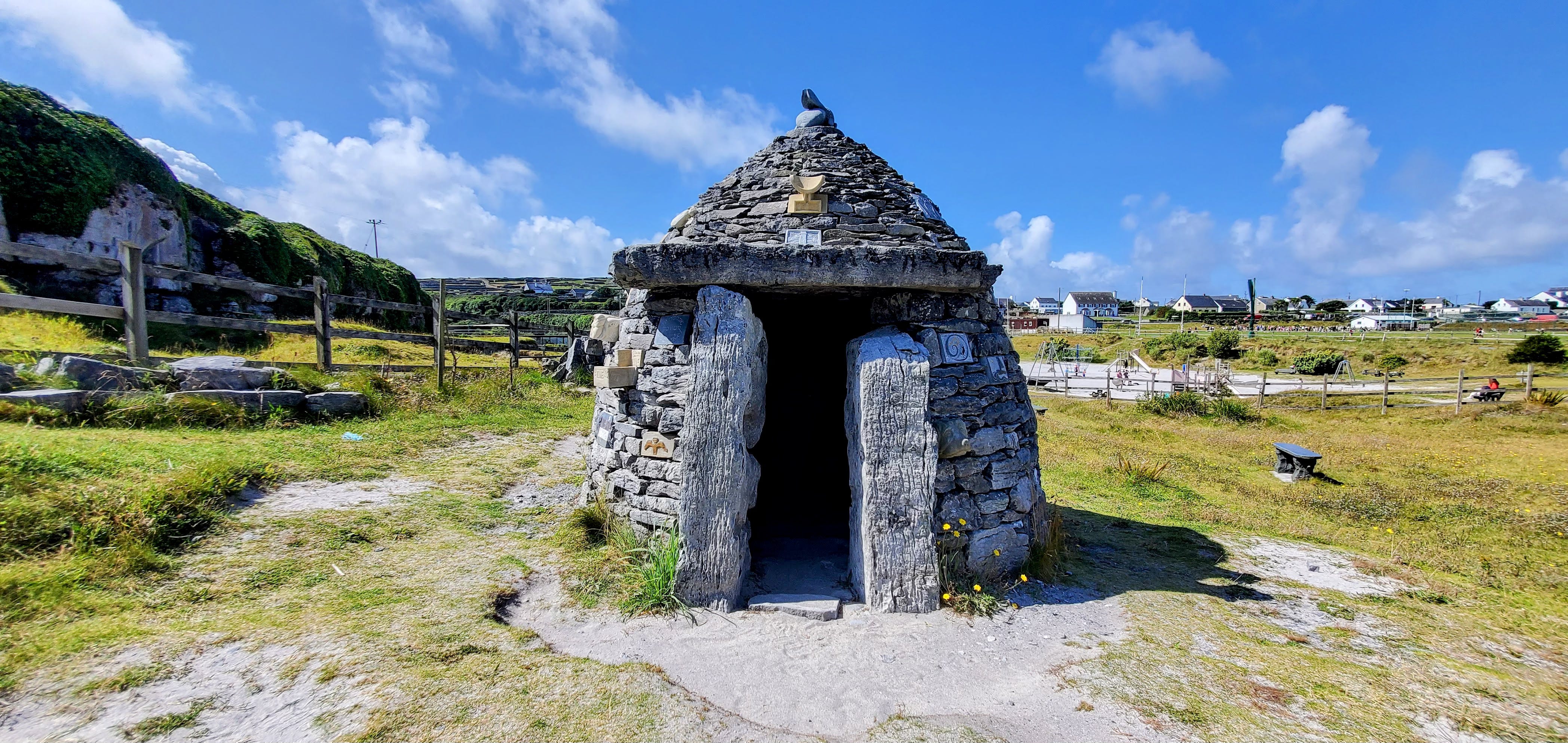
I thought of the Irish Saint Gobnait. She too was guided by white deer. Mythology says she fled a family feud and traveled until an angel told her she would find her “place of resurrection”, her true home where nine white deer grazed. She followed this vision through Clare and Inisheer, where her little beehive hut still stands, and finally to Ballyvourney where she built her monastery. She became known for healing and for her deep relationship with bees. Her bees protected her people. Her sacred well brought renewal. Her life was shaped by visions, by listening to the land, and by caring for the community entrusted to her. These patterns echo in my own life in ways I cannot ignore.
The current season deepened the sense of significance. We are near Samhain, the time when the veil softens and the ancestors draw near. I had been sorting through family letters, photographs, and the stories that shaped us. It felt like a pilgrimage inward. The dream asked me to widen the remembrance beyond my own bloodline to the land beneath my feet now.
So the next morning, I packed a small bottle of water I’d collected from Gobnait’s well last year and carried it with me as an offering on a local pilgrimage.
When I reached the place that modern maps call Beauchamp Springs, something opened beneath the surface of perception. Beneath the sound of traffic, I felt a pulse of presence. The air shimmered and light gathered in long filaments across the grass, bending into the shape of a drawn bow with an arrow, as though showing where the spring once surfaced before highway development completely hid it from sight.
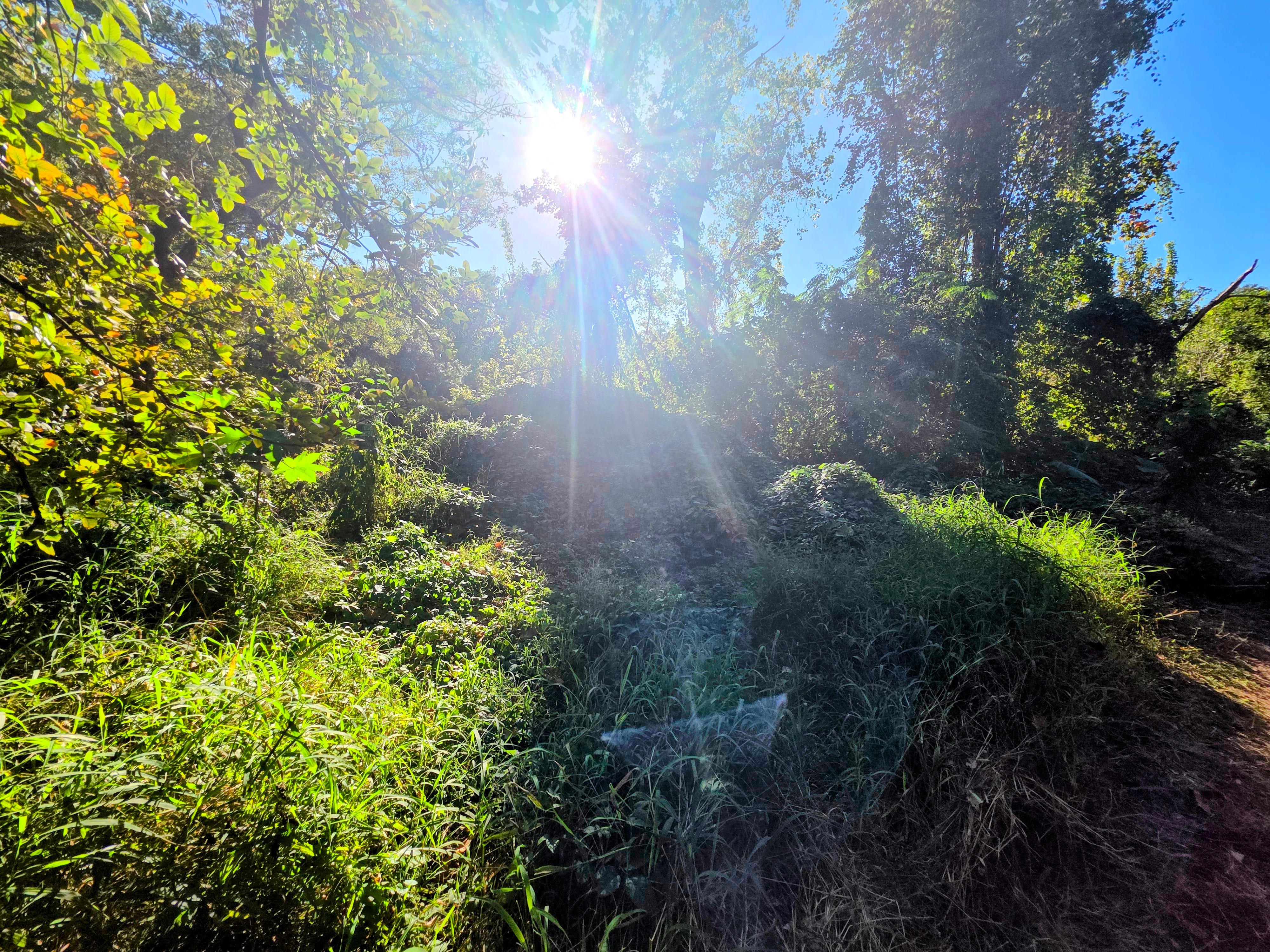
I followed the direction of the light and poured a few drops of Gobnait’s water onto the ground, offered to the land and to the First People who walked here long before settlers arrived. Among them were the people known as the Bidai, or Quasmigdo. They lived along these uplands and tended the quiet springs that once rose with abundance from the earth. They understood water not only as a resource but also as a relative. Water carried stories, nourished families, offered omens, and taught patience. Their villages may have shaped the paths the bayou still follows.
Much of what they carried was disrupted by colonization, yet the land did not forget them. Roots kept their songs. Clay held their memory. Even the buried spring kept breathing in the dark, waiting to be remembered again.
As soon as St. Gobnait’s sacred waters touched the soil that day, the wind lifted suddenly and moved through the trees with startling aliveness. Leaves spiraled upward. Birdsong stirred in the canopy. For a moment the land felt joyful. It felt like recognition, like a remembering between waters on opposite sides of the ocean.
Centuries of upheaval scattered the Bidai, yet their presence remains imprinted in this place. Perhaps remembrance is not about restoring what was broken but about honoring what endures. Springs do not vanish when buried. They flow underground and wait.
I climbed the hill toward the Woodland Park community center and paused before a beautiful mural. A Tree of Life rises up from the earth with roots that weave deep into the soil. Corn blossoms from its branches, and light radiates through its crown.
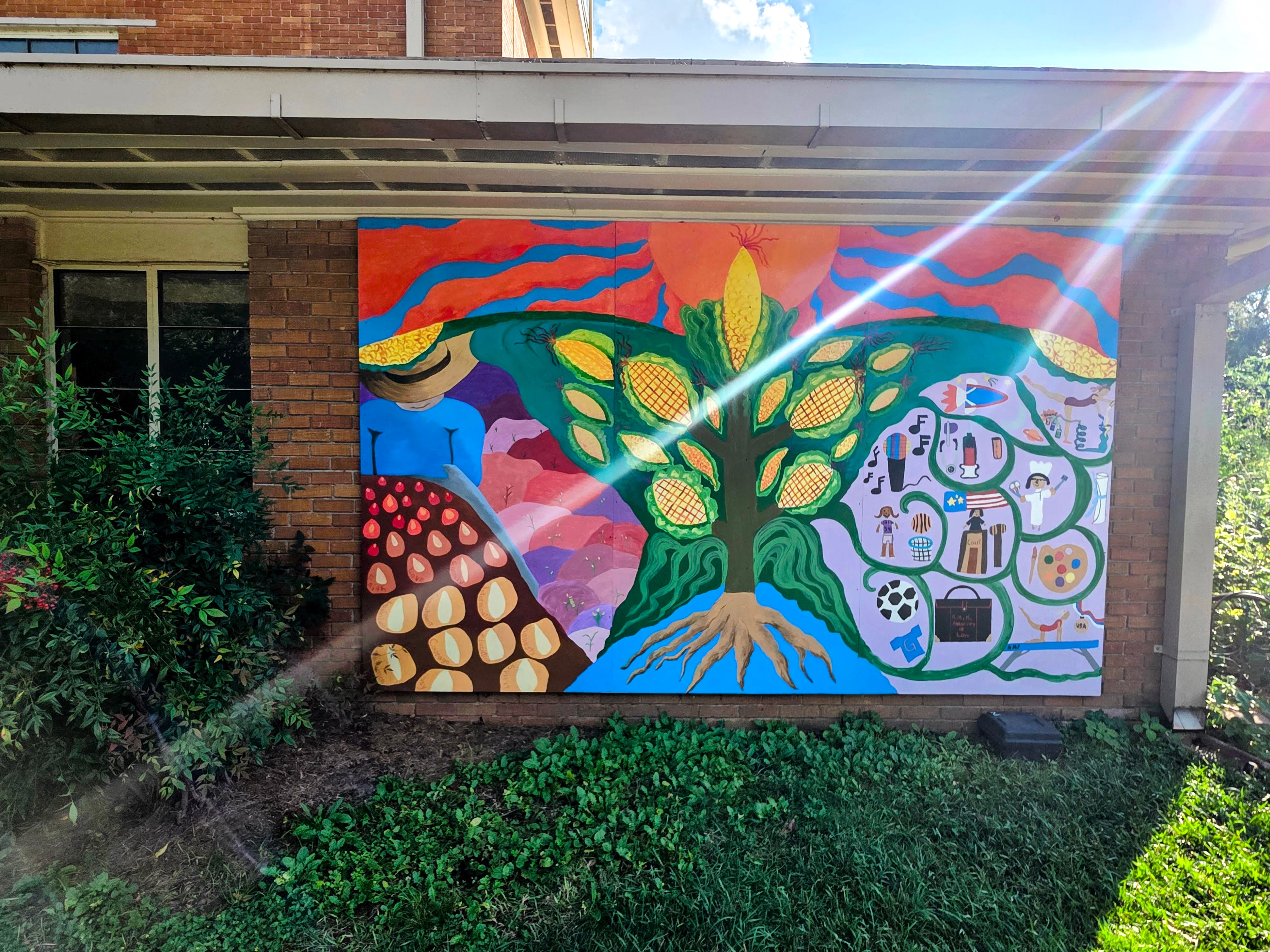
It reminded me of the words of revered Oglala Lakota holy man, Nicholas Black Elk, who said that the Tree of Life would one day bloom again in all people. Standing there, it felt as though this blooming is not a distant prophecy. It is happening quietly in acts of remembrance, in offerings, and in listening.
As part of that listening, I felt moved to take one small step that could root this moment in the world of form. The Texas State Historical Association’s Texas Almanac archival program allowed for an official listing of the spring in honor of the Bidai people. This was not a correction and certainly not a claim. It was simply a gesture of naming what the land already knows, a way to place one thread of truth into a public record that rarely speaks their name.
The spring may be hidden now, yet the waters still move beneath the surface. They carry memory and possibility. They carry stories that cannot be erased, and they carry the roots of belonging.
Gobnait followed her deer to her homeplace. The deer in my dream carried me to the old spring of the Bidai. And the land itself responded. Irish waters, Texas waters, ancestral waters, underground waters, and dreaming waters all feel part of the same stream.
The earth remembers us even when we forget ourselves. Perhaps all we need to do is lean close enough to hear.
Postscript
This piece is offered in reverence to the Bidai people, original guardians of the White Oak Bayou watershed. Their presence continues in the waters, winds, trees, and soil of this land.
May remembrance be an act of humility. May belonging be practiced with care. May the names that were taken return in their own time. May the land feel seen.
And may the Tree of Life continue its quiet blooming in us all.
For those drawn to actions of reciprocity, I also want to acknowledge the Texas Tribal Buffalo Project, which restores buffalo herds to Indigenous stewardship and supports community rematriation. Their important work feels aligned with the deeper movement of returning relationship to right balance.